
 Author: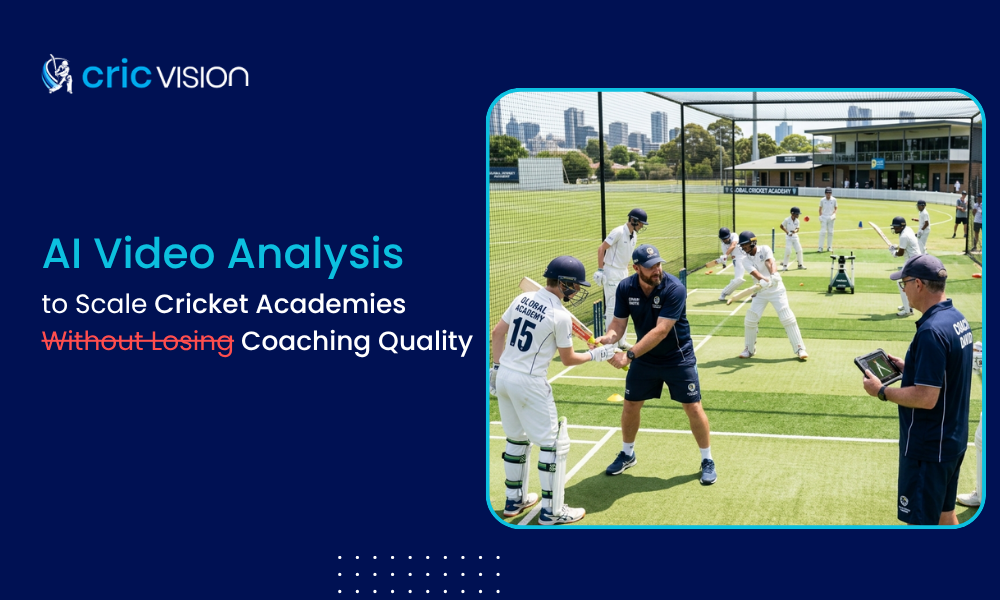
A good cricket academy does not struggle because demand is low. The harder problem begins when demand is strong enough to test the way the academy runs. More inquiries, fuller batches, added programs, and higher parent expectations are signs of growth. But they also raise the standard for how consistently the business delivers training.
At that stage, scaling is no longer just about increasing capacity. Every new batch must be planned well, staffed properly, reviewed on time, and linked to clear player progress. If those systems are weak, the academy may still look busy from the outside, but the cricket training experience starts becoming uneven for players, parents, and coaches.
In this blog, we will look at how academy owners can scale cricket academy operations without compromising coaching quality by building coaching systems, reducing admin load, leveraging academy management software, and phasing expansion more effectively.
Move from a Coach-Centric Model to a System-Centric Model
Most cricket academies are built on the reputation, judgment, and availability of one or two experienced coaches. Early on, that is plenty. Your head coach knows every player’s grip, every weak shot, every parent by name, and the entire operation runs on that closeness.
The strain shows when the academy grows, but the model underneath it stays the same. Trial requests pile up, fee reminders slip through, and parents want progress updates. Players who need individual feedback get a little less of it each week. Every real decision, from session structure to who moves up an age group, still lands on one desk.
A system-centric model does not reduce the value of good coaching. It protects it. Your academy needs clear training plans, defined review methods, structured communication, and a way to track player progression without relying on memory or scattered updates.
This shift should not mean more pressure on your best people. It should create a setup where coaches spend more time improving players and less time holding the entire operation together.
Build a Repeatable Coaching System Before Expanding Batches
Before increasing the batch size, an academy needs to check whether its coaching model can run with the same clarity across different groups, coaches, and training days. If every session still depends on the head coach’s presence, growth will only stretch the same people further.
A repeatable coaching system should define:
1. What each player group should train:
Create age-wise, skill-wise, and role-wise plans across batting, bowling, fielding, wicketkeeping, fitness, and match awareness. This way, every batch has a clear training direction, rather than leaving each session to individual coach interpretation.
2. How larger groups will still receive attention:
Use small-group coaching, squad-based sessions, skill clinics, and weekend programs with defined session goals, keeping the format structured as player numbers rise, without turning practice into crowded net time.
3. Who can deliver the session without quality dropping:
Train assistant coaches to follow the same curriculum, drill flow, and review method. The head coach can then focus on deeper technical corrections, match preparation, and long-term development planning without having to personally run every session.
This structure creates the consistency needed to scale cricket academy delivery without lowering the standard of training. Players get a clearer pathway, coaches know what needs to be delivered, and the academy becomes less dependent on one senior reviewer. Over time, this consistency also improves player engagement and retention, helping academies build stronger long-term relationships with their players.
Reduce Admin Work With Academy Management Software
Scaling a cricket academy is not only about adding more players, time slots, programs, or coaches. If the daily admin still runs on phone calls, manual registers, scattered payment logs, and individual WhatsApp DMs, growth instantly makes coordination more complex.
Academy management software consolidates these routine tasks into a single system, so coaches and admin staff are not pulled into the same follow-ups every day. It can support:
- Attendance tracking:
Keep batch records up to date without having coaches maintain separate sheets after every session. - Fees and renewals:
Reduce manual reminders, missed follow-ups, and uncomfortable payment conversations handled by coaching staff. - Batch scheduling:
Manage player groups, time slots, coach allocation, and batch changes with better visibility. - Trial follow-ups:
Track inquiries and trial sessions so potential admissions do not get lost in calls or messages. - Parent communication:
Share routine updates, reminders, and notices without duplicating messages across multiple groups. - Coach coordination:
Help owners assign sessions, avoid confusion, and keep the training calendar clear for everyone involved. - Basic session notes or operational reports:
Record what happened in a session at a simple level, without turning every update into a long manual task.
Together, they hand your coaches their time back to train. The point is not to run the flashiest software for the sake of it. It is to take the repetitive, low-value work off the people who should be on the field, so your academy can add players without adding workload chaos.
Use AI Video Analysis to Protect Coaching Quality at Scale
Academy management software can reduce daily admin, but coaching quality depends on the depth and consistency of feedback. As your academy evolves, this is where pressure usually starts to show. Not because coaches stop noticing details, but because every additional batch adds more deliveries, more corrections, and more player histories to remember.
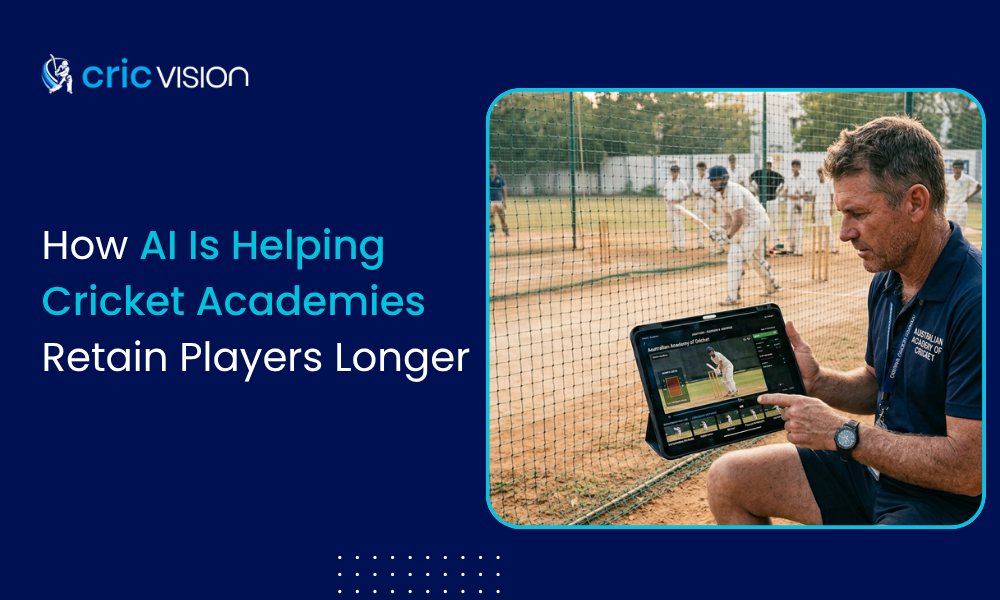
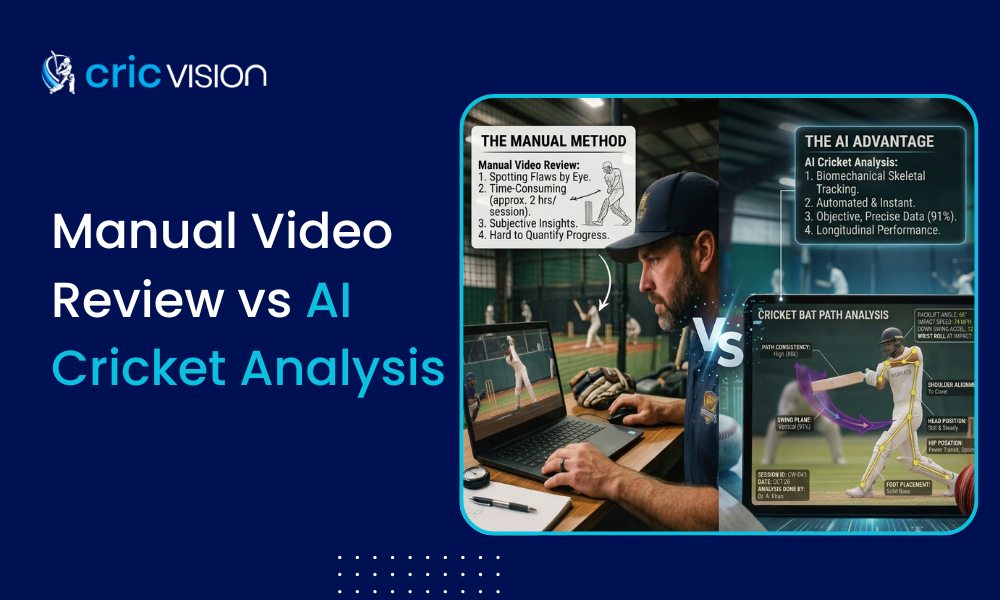
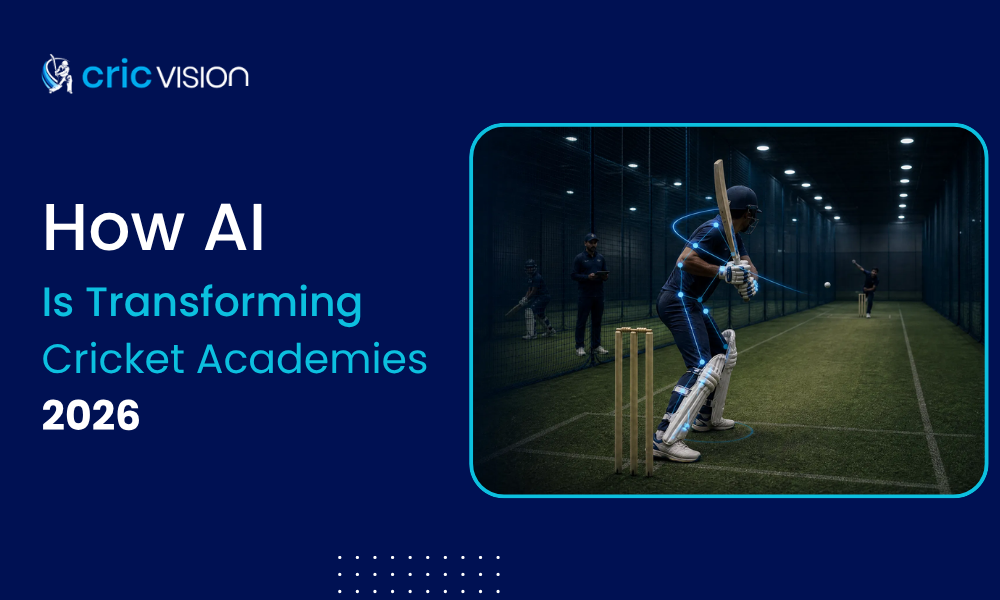
AI video analysis helps scale cricket academy training without making feedback thinner. CricVision fits here as a cricket analysis and player progress platform. It helps coaches review session footage through auto-clipping, annotations, side-by-side comparisons, and progress reports, so crucial moments are easier to find, explain, and revisit.
- Detailed feedback takes time:
A coach may need to rewatch a bowling action, spot a problem in a batter’s trigger movement, or compare a player’s current shape with an older session. Across multiple batches, that approach becomes difficult to sustain. - The coach still leads the decision-making:
The review process becomes more organized and repeatable, so coaches can show players what changed, what needs work, and what should be reviewed next. - The same visibility supports parents and serious players:
Session clips, player profiles, milestones, development plans, and a predictable review rhythm make training easier to understand from outside the net session.
Parents can see what their child is working on, while players receive clearer direction rather than broad feedback. For an academy, that clarity builds trust as the player base grows.
Specialize Roles So Coaches Are Not Doing Everything
A system, good software, and an AI review remove a huge share of the load. What is left still needs the right people doing it, not one person doing it all.
Under certain circumstances, the head coach quietly becomes the scheduler, the fee collector, the video editor, and the report writer, on top of actual training. Each task on its own is small. Together, they are a full-time job that has nothing to do with why anyone got into coaching.
That is the load that wears good coaches down, and no amount of software fixes it if the roles underneath were never defined. Scaling means giving that work its own owners:
- Junior and assistant coaches:
To run standard drills and batch delivery, so senior coaches focus on high-level development - Strength and conditioning trainers and physios:
To own fitness work and injury prevention properly, rather than as an afterthought between drills - Admin staff:
To manage fees, schedules, reminders, and trial follow-ups - Operations coordinators:
To keep session timings, coach allocation, and parent communication organized - A performance analyst or video review lead:
To prepare clips, reports, and review material before the next session, so coaches walk in ready
This specialized designation does not reduce the head coach’s importance. It gives that role more focus. This is different from training assistant coaches to deliver sessions. Role specialization is about assigning clear owners to non-coaching and support work, so the head coach is not the default person for every task.
When responsibilities are clearly divided, two things happen at once. The academy becomes easier to run, and the coaching team gets easier to sustain, because your best coaches are finally spending their time where it counts: on players.
Scale in Phases Instead of Changing Everything at Once
A scalable academy does not need to change every process in one month. In fact, trying to fix curriculum, admin, video analysis, reporting, staffing, and parent communication at the same time can create more confusion. A phased approach is easier to manage and gives owners time to see what is working before expanding further.
A practical sequence can look like this:
- Standardize one batch first:
Choose one age group or skill level and define its training plan, review its rhythm, and outline its session structure. - Digitize attendance, fees, scheduling, and communication:
Reduce the daily tasks that consume coach and admin time before adding more players.
- Add video analysis for one player group:
Start with a focused group where a detailed review can create a visible improvement. - Build a weekly or monthly review rhythm:
Make feedback predictable, rather than occasional or dependent on parent follow-ups. - Train assistant coaches on the system:
Ensure they understand the curriculum, drill flow, review method, and communication process. - Expand to more batches or venues:
Scale only after the system has worked in a controlled environment.
This helps academy owners scale cricket academy operations with less guesswork. Each phase improves one part of the system before the next layer is added.
Conclusion: Scale the Academy System, Not Just Enrollments
A cricket academy can add more players and still struggle to scale effectively. Real growth happens when the business can handle higher demand without making sessions inconsistent, communication reactive, or coaches overloaded.
The stronger approach is to build a system that provides structured training, clear coaching time, easier player review, and visible program values for parents. That is what turns expansion from a capacity problem into a more controlled operating model.
CricVision supports the performance side of scale. It helps coaches spend less time searching through footage and more time improving players, providing a practical way to support the coaching team and scale cricket academy operations without letting quality slip. ontact us!